Crow’s feet show up first because the eye area works hard. We squint in sun, smile in photos, strain at screens, and wake up puffy after long flights or salty dinners. Over time these dynamic motions etch fine lines in the thin skin that frames the eye. When patients ask about a quick, clean way to soften those lines without changing their expression, Botox cosmetic injections remain my go to recommendation.
I have treated thousands of faces, from new mothers looking fresher on little sleep to field reps who live in sunglasses and Texas sun. The right botox treatment for crow’s feet respects how you communicate, protects your natural smile, and gives you a smoother, brighter eye area that still looks like you.
" width="560" height="315" style="border: none;" allowfullscreen="" >
What crow’s feet are, and why they form
Crow’s feet are the radiating lines that fan from the outer corner of the eye. Early on they show only when you smile or squint. Later, as collagen thins and skin loses elasticity, those lines start to sit at rest. Genetics, UV exposure, smoking, eye rubbing, and even habitual one sided squinting all push them along. The underlying muscle, the lateral orbicularis oculi, tightens like a drawstring when you smile. Botox injections relax small segments of that muscle so skin does not crease as strongly during expression.
The fix is not to freeze your smile. It is to lighten the pull in the right places, at the right depth, with calibrated dosing so the skin folds less, heals better, and you keep your personality. That nuance is what separates a skilled botox injector from a one size fits all approach.
How botox works in this area
Botox, a purified neuromodulator, quiets the nerve signal to selected muscle fibers. In the crow’s feet region, tiny doses placed superficially weaken the outer ring of the eye muscle. Reduced contraction means fewer folds in the paper. Over time, with less repetitive crinkling, those lines appear shallower. The effect is reversible. Your body gradually clears botox, muscle activity returns, and lines will slowly come back if you do not maintain.
Because the eye area is expressive and delicate, the injection plan is deliberate. I map each side into two to four micro points along the wrinkle fan, always staying above the cheekbone and lateral to the orbital rim to avoid unnecessary diffusion and smile changes. The goal is softening, not a mask.
Who makes a good candidate
Botox wrinkle treatment works best on dynamic lines. If your crow’s feet deepen mainly when you smile or squint, you are a strong candidate. If they sit deeply at rest, neuromodulation still helps, but we might add skin quality work like laser or collagen stimulators. People concerned about looking unnatural usually do well, because we can dose light, assess, and build in stages.
Here is a concise screen I use during a botox consultation:
- You want smoother crow’s feet without losing your smile. Your lines are mostly dynamic, or mixed with early static etching. Your eyelids are not excessively heavy and you do not already have significant brow ptosis. You are not pregnant or breastfeeding, and you have no active infection in the area. You have realistic expectations about subtle, natural results lasting months, not years.
If you have dry eye syndrome, uncontrolled thyroid disease, a history of neuromuscular disorders, or prior eyelid surgery that changed eye closure, we will review risks in more detail. Safe treatment starts with honest history.
The consultation and planning: mapping the smile
A thorough botox appointment starts with expression analysis. I ask you to smile hard, squint as if in bright sun, then relax. I watch which rays of the crow’s feet dominate, whether one side recruits more, and how the cheek lifts. I also check brow position and eyelid closure. These details guide where I place microdrops of botox anti wrinkle injections.
Typical dosing for crow’s feet runs 6 to 12 units per side, often 12 to 24 units total. Lighter doses suit first timers, younger patients, and those who want a very soft touch. Higher doses suit strong smiles, deep set eyes, or men with thicker muscles. There is no virtue in over treating. In my practice, I would rather see you two weeks later for a conservative top up than overshoot on day one.
If we are also planning botox for forehead lines, a glabella treatment for frown lines, or a subtle brow lift, I coordinate dosing across the upper face. Over relaxing the lateral orbicularis without adequate support to the brow can make a heavy eyelid feel heavier. Balance matters.
What the injection feels like
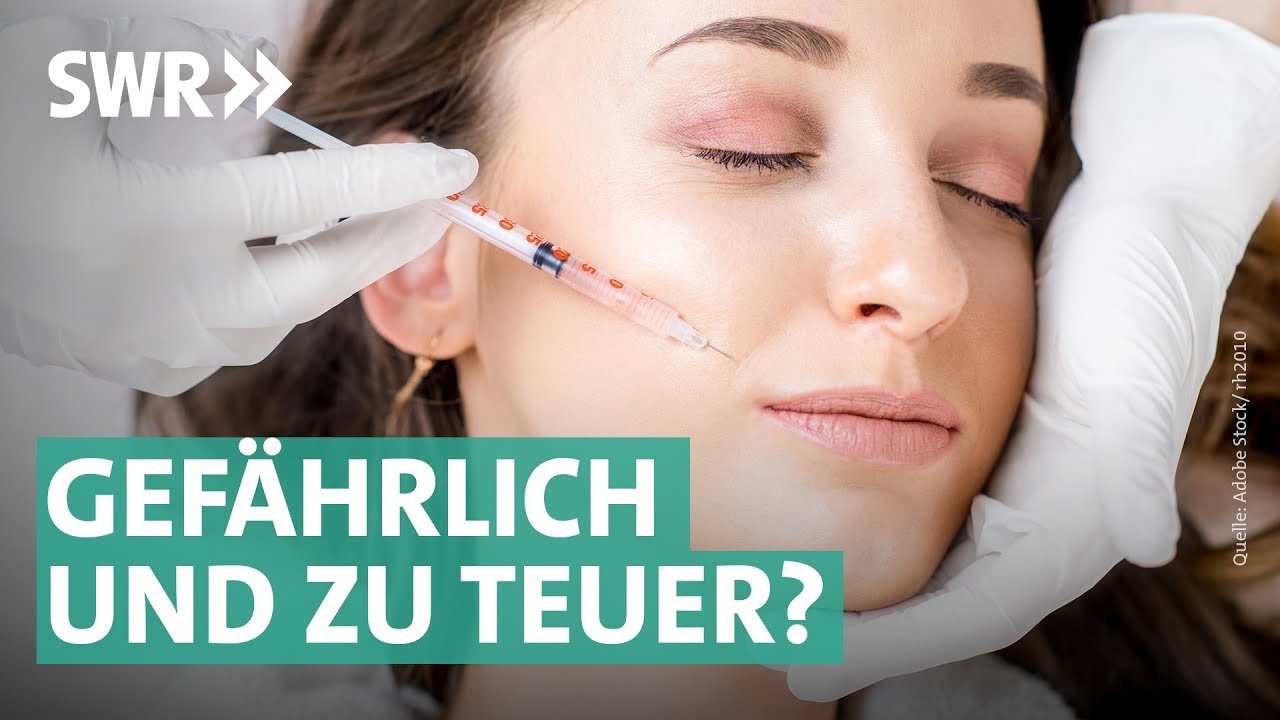
The botox procedure is quick, usually 5 to 10 minutes for the eye area. I prep the skin with antiseptic, mark or mentally map key points, and use a fine 30 or 32 gauge needle. Most patients describe a brief pinprick and a watery eye reflex more than real pain. If you are nervous, a cold pack before and after each side helps.
I place the product superficially, as little as 1 to 2 millimeters deep, to keep it near the muscle fibers that create the lines. Staying lateral to the orbital rim and above the zygomatic arch avoids diffusion into cheek elevators or deeper structures. Good technique minimizes the chance of an asymmetric smile or eyelid heaviness.
Expect pinpoint bumps that look like mosquito bites for 10 to 20 minutes as the saline carrier dissipates. Makeup can go on later that day if applied gently.
Aftercare that actually matters
Most aftercare advice can be reduced to a few essentials that lower swelling, bruising, and product shift. Keep it simple and practical:
- Stay upright for 3 to 4 hours, and avoid pressing or massaging the area the same day. Skip strenuous workouts, saunas, or hot yoga until tomorrow. Use a cold compress in brief intervals if you bruise easily. Delay facials, microcurrent devices, or aggressive eye rubbing for 24 hours. If you take aspirin or fish oil, know bruising risk is higher for about a week.
You can return to work right away. If you are headed to an event, give yourself a two week runway so the botox results can settle fully and any small bruise has time to fade.
When you will see results, and what looks natural
Botox effects begin in 3 to 5 days, peak around day 10 to 14, and last 3 to 4 months on average. People with very active facial muscles or endurance athletes sometimes notice a shorter window, more like 2.5 to 3 months. Longevity improves with consistent maintenance, since constant full strength folding diminishes.
What should it look like when it is right? At rest, the outer eye looks smoother and the skin reflects more evenly. When you smile, the crow’s feet still appear, just shallower and shorter. If your grin has gone flat or the cheek seems less animated, the dose may be too high or placed too low. That is fixable in future sessions by adjusting units and location.
I like patients to send a selfie video at two weeks, smiling and relaxing, so we can decide together if a couple of extra units will finesse the result. Small refinements make a big difference around the eye.
Safety, side effects, and how to avoid pitfalls
Botox wrinkle injections are a minimally invasive treatment with a strong safety record when performed by a trained botox provider. The most common side effects are short lived: redness for 15 minutes, tiny swelling that resolves within an hour, and a small bruise in about 5 to 10 percent of cases. Headaches occur occasionally and usually respond to hydration and acetaminophen.
Less common effects include:
Mild eyelid heaviness. True eyelid ptosis from crow’s feet injections is rare when the product stays lateral to the bony rim, but it can happen if botox diffuses to the levator complex. This risk is higher in very hot environments or with deep, medial placement. It typically improves over weeks and can be eased with prescription eye drops that stimulate Mueller’s muscle.
Smile asymmetry. Diffusion into the zygomaticus complex can soften the cheek lift on one side. Careful placement above the zygomatic arch, proper dilution, and a light first session reduce this risk.
Dry eye sensation. If you already struggle with tear film quality, a weaker blink can make dryness feel worse. We can reduce dose, space the injections further from the lash line, and coordinate with your ophthalmologist on lubricating drops.
Allergic reactions are exceedingly rare. The product is not systemic in the typical cosmetic dose range. Still, any sign of widespread hives or breathing difficulty warrants urgent evaluation. I have never seen this in crow’s feet work.
If you ever feel something is off after treatment, reach out to your botox clinic early. Minor adjustments within two weeks are easier than waiting. A certified injector will guide you without defensiveness, because outcomes improve with teamwork.
How much botox costs for crow’s feet
Pricing varies by market, injector expertise, and whether the office charges per unit or per area. In many US cities, botox price per unit ranges from 10 to 20 dollars. Typical units for both sides of crow’s feet run 12 to 24, so a realistic botox treatment cost estimate lands between 150 and 450 dollars. Premium practices with board certified dermatologists or plastic surgeons may charge more, which often buys you measured dosing, fewer side effects, and better longevity.
If you are comparing botox near me results online, look at photos, not just prices. Ask whether the practice includes a two week follow up and touch up policy in the botox treatment price. Predictable, natural results save money over the long run.
Choosing the right injector
The product is standardized. The artistry is not. A skilled botox specialist asks about your job, how often you are in bright light, whether you wear contact lenses, and whether you prefer a crinkly smile or a glassy one. They will mark or visually anchor anatomical landmarks, explain risks in plain language, and start conservatively if you are new.
Training matters. A board certified dermatologist, facial plastic surgeon, or an experienced nurse injector who performs botox cosmetic treatment daily will understand the small choices that compound into better results. Look for a clinic that photographs you before and two weeks after. Consistent documentation means they care about learning your face across sessions.
Combining botox with other treatments for the eye area
Botox is excellent for dynamic lines. Static etched lines and crepey skin may need texture or volume support. I often plan a layered approach over months.
Skin quality. Fractional laser, radiofrequency microneedling tailored for the periocular area, or polynucleotide based skin boosters can tighten and thicken crepe. These are spaced 4 to 6 weeks from your botox session to keep variables clean.
Volume. If a hollow under the outer eye exaggerates lines, a micro droplet of hyaluronic acid filler in the lateral tear trough or lid cheek junction can help. Filler around the eye is advanced work and should be done by a highly experienced injector with ultrasound available when needed.
Topicals. Prescription strength retinoids, peptides, and daily SPF make a visible difference under neuromodulation. Sunscreen is not optional. UV breaks collagen, and no amount of botox therapy can outpace chronic sun damage.
These combinations create a natural, resilient result that looks good even as the botox wears down near month three or four.
Fine tuning: baby botox, microdosing, and brow dynamics
Not every face needs the same strength. Younger patients or those wary of flatness often prefer baby botox - lower units per point split into more points. This spreads a gentle effect across the fan of lines. Microbotox, which places ultra thin dilutions even more superficially, can lightly smooth texture but should be used judiciously near the eye to avoid dryness.
Brow position sets the mood of the upper face. Some patients like a whisper of a lateral brow lift. Small units placed strategically under the tail of the brow can create a pleasant, open look. Others have already low brows and need restraint. Over lifting in the wrong face reads surprised rather than refreshed. The right botox face treatment respects those signals.
Special scenarios worth noting
Men. Male orbicularis muscles tend to be thicker, and eyebrows sit lower. Plan on slightly higher units with careful eye on brow heaviness. The best botox results in men keep the smile masculine and the skin smoother, not shiny.
High output athletes. Faster metabolism and higher circulation may shorten duration. Set maintenance at three months initially, then stretch only if results hold.
Deep set eyes. Needles can feel closer to bone. Superficial placement is even more important to avoid diffusion. I often reduce medial points to protect blink strength.
Dry eye and contact lens wearers. We will bias dose laterally, discuss lubricating drops, and test a smaller first session. You should be able to put lenses in the next day, with gentle technique.
Previous surgery. Blepharoplasty or ptosis repair changes anatomy and blink mechanics. A conservative plan, plus coordination with your surgeon, keeps you safe.
What a first timer can expect from start to finish
A realistic visit timeline helps remove guesswork. You book a botox appointment for a 30 minute slot. We photograph before images, review your medical history, and agree on a plan. The injections themselves take minutes. You are back in your car with two faint pink areas that fade within a coffee stop. By day three you notice less crinkle in the mirror, by day five eye makeup sits smoother, and by day ten family members ask if you slept more. You share a two week selfie, and we add 2 to 4 units if one side still pulls harder.
At month three and a half you start to see more movement. You schedule the next botox session proactively so the lines never etch back as deeply. Over a year, that consistency trains the skin toward smooth.
Myths and straight talk
Botox makes you look fake. Overdosing and poor placement do. A light, anatomically precise botox cosmetic procedure preserves expression.
If you stop, your wrinkles get worse. They return to baseline as muscle activity comes back. Some patients look better than baseline because they avoided heavy creasing for months.
Creams can replace botox. Medical grade skincare supports collagen and pigment, but it does not stop dynamic folding like botox can. The best outcomes use both.
One size fits all. Faces vary. Dose, point selection, and dilution should match your anatomy and goals, not a template.
How crow’s feet fit into full face balance
Most people ask about the outer eye first. I often bring the conversation to the glabella and forehead, because each zone affects the others. If your frown lines are strong but your forehead is barely treated, your brows can pull inward and down, which accentuates upper eyelid heaviness and magnifies crow’s feet when you smile. Conversely, over treating the forehead while neglecting the frown can leave you flat but still heavy between the brows.
Balanced botox treatment for face means small, smart doses in the right places. A few units in the glabella to quiet a scowl, a light pass in the forehead to prevent horizontal creases, and a tailored Hoboken botox specials botox crow feet treatment to soften the fan. Together they lift the whole upper face.
When to consider alternatives
Some patients are not ideal candidates. If you have severe eyelid laxity, a surgical consultation may serve you better. If your lines are extremely etched at rest, skin resurfacing takes priority. If cost is the main obstacle, spacing sessions and using fewer, smarter units often outperforms bargain hunting. Regarding botox treatment cost, I encourage patients to save for a qualified injector rather than chasing the lowest botox cost. Bad work is more expensive to fix.
If you are needle averse or planning pregnancy soon, banking on sunscreen, sunglasses that actually fit your face, retinaldehyde cream, and a wide brim hat can slow progression more than you think.
Practical tips to extend your results
Sleep matters. Side sleeping on a tight pillow can fold the outer eye nightly. A softer pillowcase and switching sides reduce that shear.
Sun protection. A mineral SPF and real UV blocking sunglasses reduce squinting and collagen loss. It sounds basic because it works.
Spacing. Avoid stacking laser or deep peels within a week of injections near the eye. Heat and swelling can alter diffusion.
Consistency. Plan sessions every 3 to 4 months for the first year. Once your lines are reliably shallow, we can test longer gaps.
Hydration and skincare. Well hydrated, retinoid trained skin reflects light better, which makes every unit of botox skin smoothing treatment look more impressive.
The bottom line: confident eyes, your way
Botox aesthetic treatment for crow’s feet earns its reputation because it respects motion. When dosed and placed thoughtfully, it softens wrinkles without erasing warmth. It buys back the easy part of your smile that years of light and habit have taken. The process is quick, the downtime minimal, and the effect reliably lifts how you feel looking in the mirror.
If you are considering it, start with a solid consultation. Bring old photos that show your natural expression. Share what you worry about and what you like about your smile. A good botox doctor will listen, design a plan that fits your face, and adjust with you over time. That partnership is how you get the most from botox cosmetic injections, both now and years from now.